

Energy costs in Texas have been on the rise, leaving many residents struggling to keep up with their utility bills. The state’s extreme weather conditions, from scorching summer heatwaves to unexpected winter storms, have significantly increased energy consumption and costs. For many Texans, managing these expenses has become a top priority. This blog aims to provide practical guidance on how to lower your energy bills by exploring available utility assistance programs, energy-saving tips, and long-term strategies. Whether you’re a homeowner or renter, this guide will help you navigate the complexities of the Texas energy market and take advantage of resources designed to ease the financial burden of high utility costs. By the end of this blog, you’ll have a clear understanding of how to save money on energy while maintaining comfort in your home.
Understanding Texas Energy Market
Texas operates under a deregulated energy market, which means consumers have the power to choose their electricity providers. This system was designed to foster competition among energy companies, theoretically driving down prices and improving service quality. However, the reality is more nuanced. While competition can lead to lower rates, market dynamics such as fluctuating fuel prices, extreme weather events, and grid maintenance costs can cause energy bills to spike unexpectedly. Understanding how the Texas energy market works is crucial for making informed decisions about your energy provider and plan. By comparing rates, understanding contract terms, and staying informed about market trends, you can take control of your energy expenses and avoid unnecessary costs.
Common Reasons for High Energy Bills in Texas
Several factors contribute to high energy bills in Texas. The state’s extreme weather conditions are a primary culprit. During summer, air conditioning systems work overtime to combat the heat, while winter storms can lead to increased heating costs. Additionally, inefficient home insulation and outdated appliances can cause energy waste, driving up bills even further. Many Texans also lack energy-saving habits, such as turning off lights when not in use or unplugging devices. Addressing these issues through weatherization, appliance upgrades, and mindful energy consumption can significantly reduce your utility costs. Understanding the root causes of high energy bills is the first step toward finding effective solutions.

Texas Utility Assistance Programs Overview
For Texans struggling to pay their energy bills, several state and federal assistance programs are available. These programs are designed to provide financial relief to low-income households, seniors, and those facing emergencies. Eligibility criteria vary by program but often consider income level, household size, and specific circumstances such as medical needs or recent job loss. Applying for these programs typically involves submitting proof of income, identification, and recent utility bills. By taking advantage of these resources, you can reduce the financial strain of high energy costs and ensure your home remains comfortable year-round.
Weatherization Assistance Program (WAP)
The Weatherization Assistance Program (WAP) is a federally funded initiative aimed at helping low-income households reduce energy consumption by improving home efficiency. Services provided under WAP include adding insulation, sealing air leaks, and upgrading heating and cooling systems. These improvements not only lower energy bills but also enhance indoor comfort and air quality. To apply for WAP in Texas, you’ll need to contact your local weatherization agency and provide documentation of your income and energy usage. By weatherizing your home, you can achieve long-term savings and reduce your environmental impact.
Low-Income Home Energy Assistance Program (LIHEAP)
The Low-Income Home Energy Assistance Program (LIHEAP) offers financial assistance to eligible households struggling to pay their energy bills. LIHEAP provides two main types of assistance: bill payment assistance and crisis assistance for emergencies such as utility shutoffs. To qualify, applicants must meet income guidelines and demonstrate a need for help. The application process involves submitting proof of income, identification, and recent utility bills. LIHEAP is a valuable resource for Texans facing financial hardship, providing immediate relief and helping to prevent utility disconnections.
Texas Electricity Relief Program (TERP)
The Texas Electricity Relief Program (TERP) was established to assist households affected by extreme weather events, such as the 2021 winter storm. TERP provides financial assistance to cover past-due utility bills and prevent disconnections. Eligibility is based on income level and proof of hardship caused by a qualifying event. To enroll in TERP, you’ll need to contact your utility provider and provide the necessary documentation. This program is a lifeline for Texans facing unexpected energy crises, offering much-needed support during challenging times.
City-Specific Utility Assistance Programs
In addition to state and federal programs, many Texas cities offer local utility assistance initiatives. For example, Houston’s Utility Assistance Program provides bill payment assistance to low-income residents, while Dallas offers the Comprehensive Energy Assistance Program (CEAP). Austin and San Antonio also have resources such as the Customer Assistance Program (CAP) and Project Agua. Local non-profits and community organizations often partner with these programs to provide additional support. To access city-specific assistance, contact your local utility provider or visit your city’s official website for more information.
Tips for Lowering Your Energy Bills
Lowering your energy bills doesn’t always require significant investments. Simple changes, such as adjusting your thermostat settings, can make a big difference. During summer, set your thermostat to 78°F when you’re home and higher when you’re away. In winter, aim for 68°F. Using energy-efficient appliances and unplugging devices when not in use can also reduce energy consumption. Additionally, consider using ceiling fans to circulate air and reduce reliance on heating and cooling systems. By adopting these habits, you can lower your energy bills without sacrificing comfort.
Energy-Saving Home Upgrades
Investing in energy-saving home upgrades can lead to significant long-term savings. Installing a smart thermostat allows you to control your home’s temperature remotely and optimize energy usage. Upgrading to energy-efficient windows can improve insulation and reduce heating and cooling costs. Adding insulation to your attic and walls can also prevent energy loss. While these upgrades may require an initial investment, the savings on your energy bills can quickly offset the costs. Additionally, many utility companies offer rebates and incentives for energy-efficient home improvements.
Solar Energy Options in Texas
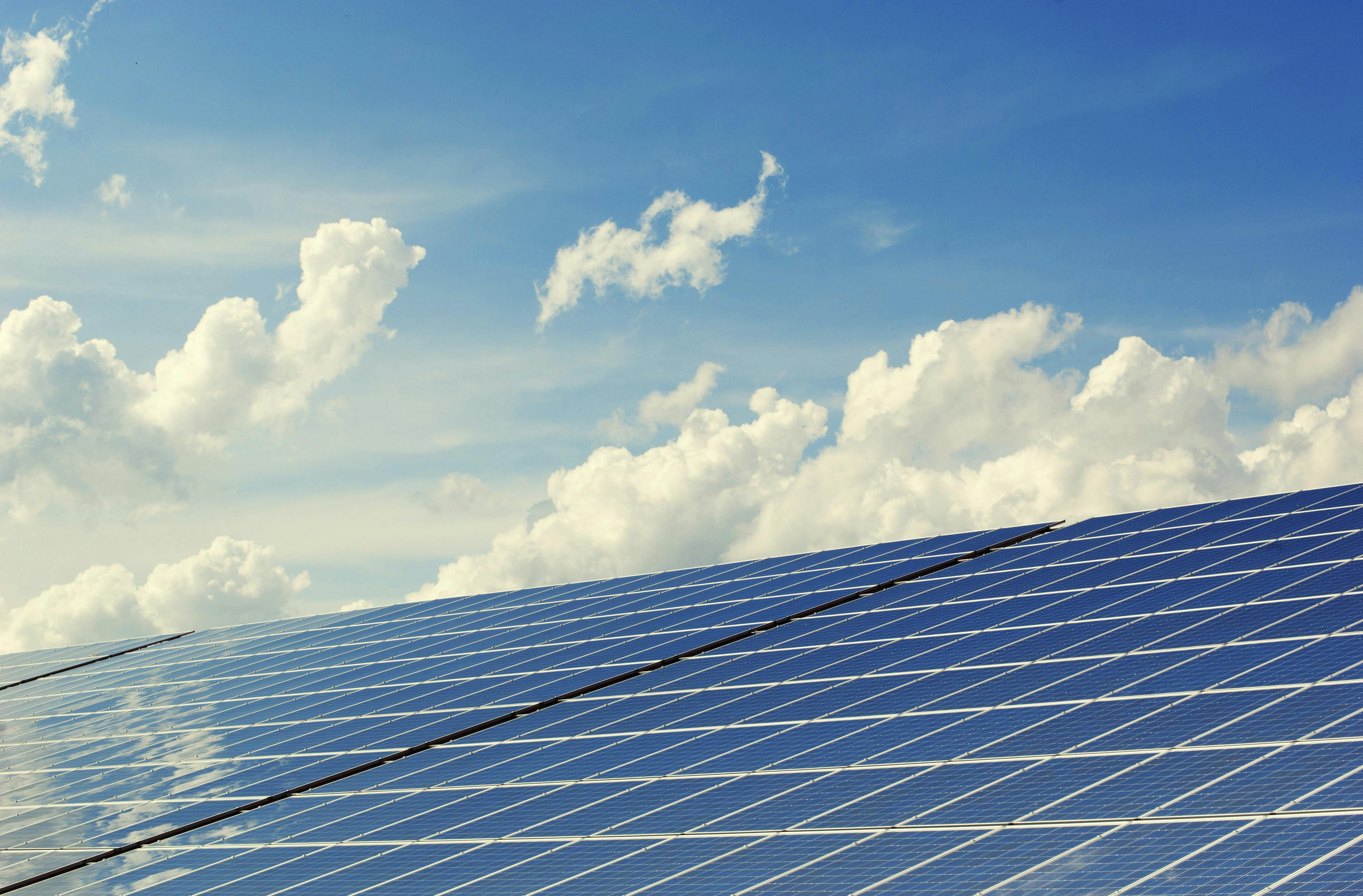
Texas is an ideal state for solar energy due to its abundant sunshine. Installing solar panels can significantly reduce your energy bills and provide a sustainable energy source. The state offers several incentives, including property tax exemptions and net metering programs, which allow you to sell excess energy back to the grid. To get started with solar installation, research reputable providers, obtain quotes, and explore financing options. While the upfront cost can be high, the long-term savings and environmental benefits make solar energy a worthwhile investment.

Choosing the Right Energy Provider
With so many energy providers in Texas, choosing the right one can be overwhelming. Start by comparing energy plans and rates using online tools. Pay attention to whether the plan offers a fixed or variable rate. Fixed-rate plans provide stability, while variable-rate plans can fluctuate with market conditions. Consider the contract length, early termination fees, and customer reviews before making a decision. Switching providers can lead to significant savings, but it’s essential to read the fine print and understand the terms of your new plan.
Budget Billing Plans
Budget billing plans allow you to pay a fixed amount for your energy bills each month, making it easier to manage your budget. These plans average your annual energy usage and divide it into equal payments. While budget billing can provide predictability, it’s important to monitor your actual usage to avoid surprises at the end of the billing cycle. To enroll in a budget billing plan, contact your utility provider and request an evaluation of your energy usage. This option is particularly helpful for households with fluctuating income or seasonal energy needs.
Energy Efficiency Tips for Renters
Renters can also take steps to lower their energy bills. Start by negotiating with your landlord for energy-efficient upgrades, such as installing programmable thermostats or sealing air leaks. Portable energy-saving devices, such as smart power strips and energy-efficient space heaters, can also make a difference. Simple habits, like turning off lights and using natural light during the day, can further reduce energy usage. While renters may have limited control over their home’s infrastructure, these small changes can lead to noticeable savings.
Emergency Assistance for Utility Bills
In times of crisis, emergency assistance programs can provide immediate relief for utility bills. Texas offers several crisis assistance programs, including the Comprehensive Energy Assistance Program (CEAP) and the Utility Bill Payment Assistance Program. These programs are designed to help households facing disconnection or those who have already lost service. To qualify, you’ll need to provide proof of income, identification, and a disconnection notice. If you receive a shutoff notice, act quickly to apply for emergency assistance and prevent service interruption.
Long-Term Strategies for Energy Savings
For sustained energy savings, consider investing in renewable energy sources, such as solar panels or wind turbines. Regular maintenance of your HVAC system can also improve efficiency and extend its lifespan. Educating family members on energy conservation practices, such as turning off lights and unplugging devices, can further reduce energy usage. By adopting these long-term strategies, you can achieve significant savings and contribute to a more sustainable future.
Managing energy bills in Texas can be challenging, but with the right strategies and resources, it’s possible to achieve significant savings. From taking advantage of utility assistance programs to making energy-efficient home upgrades, there are numerous ways to reduce your energy costs. By understanding the Texas energy market and adopting energy-saving habits, you can take control of your utility bills and ensure your home remains comfortable year-round. Don’t wait—explore the programs and tips outlined in this blog and start saving today.
Additional Resources
For more information on Texas utility assistance programs, visit the following resources:
- Texas Department of Housing and Community Affairs
- LIHEAP Application Portal
- Texas Solar Energy Society
Contact your local utility provider for personalized assistance and explore tools like energy usage trackers to monitor your consumption. By leveraging these resources, you can make informed decisions and achieve greater energy savings.